Haptic Simulation Collection
The work I presented at Eurohaptics 2016 in London: ten years of haptics, from sinus surgery to a gravity game that teaches the difference between mass and weight.
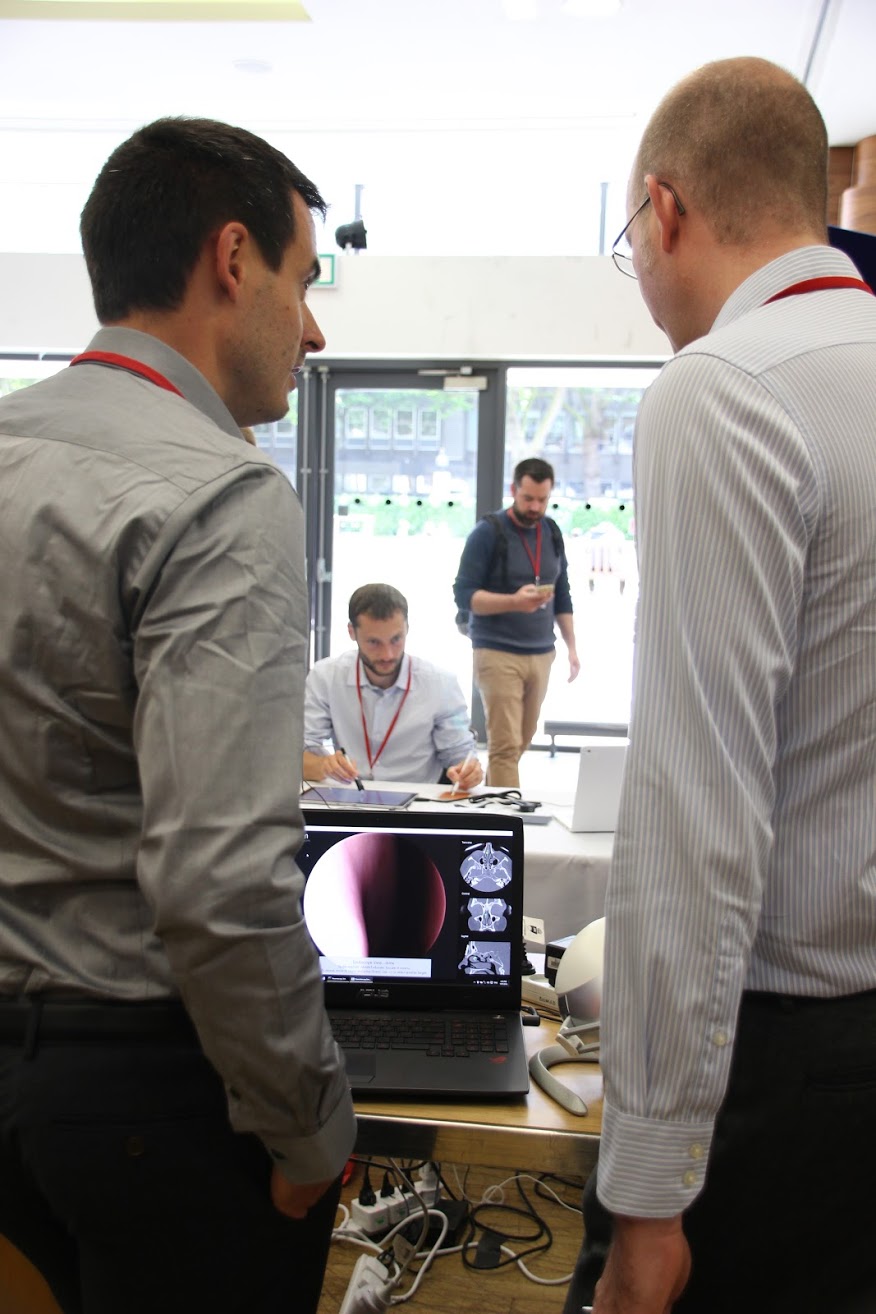
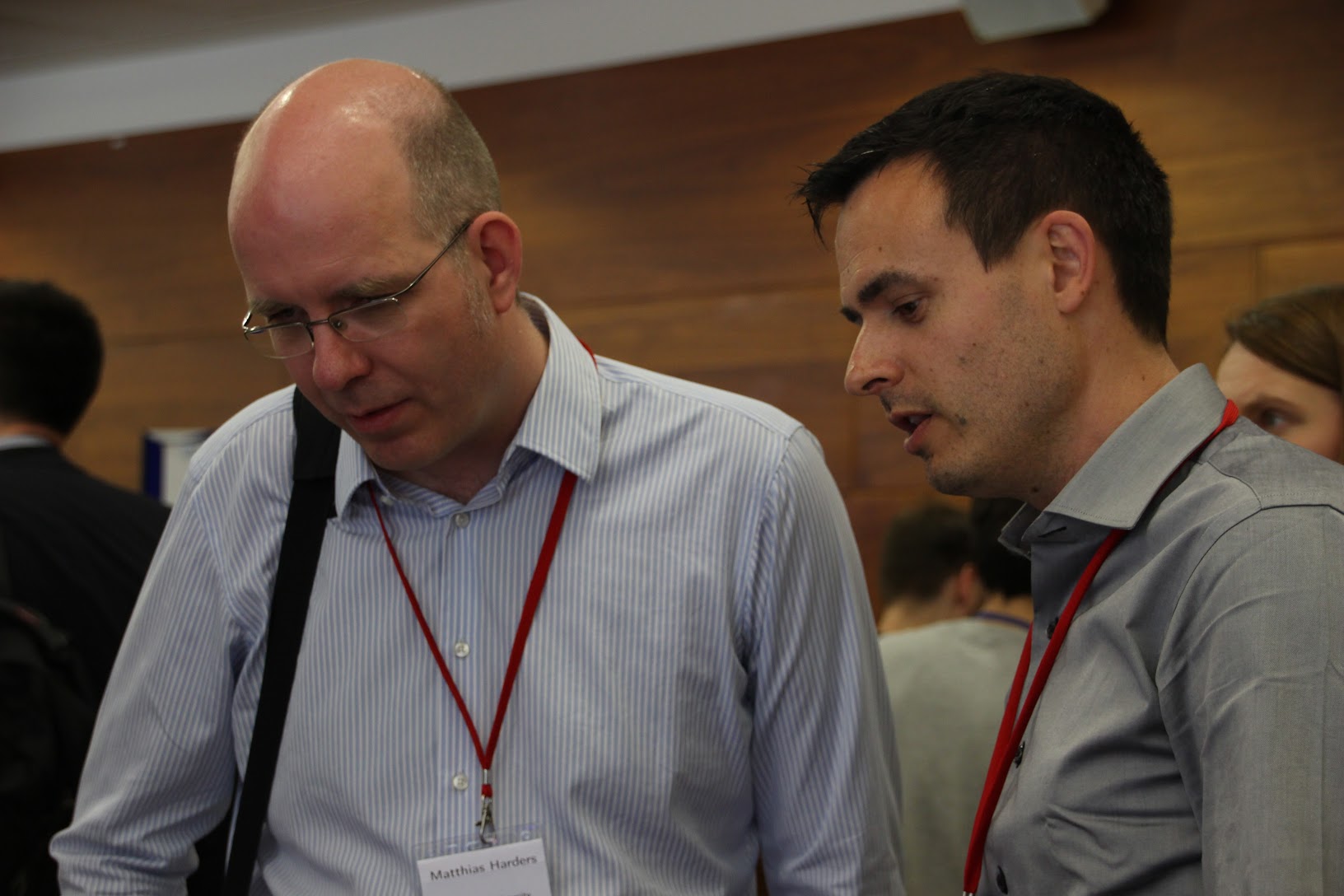
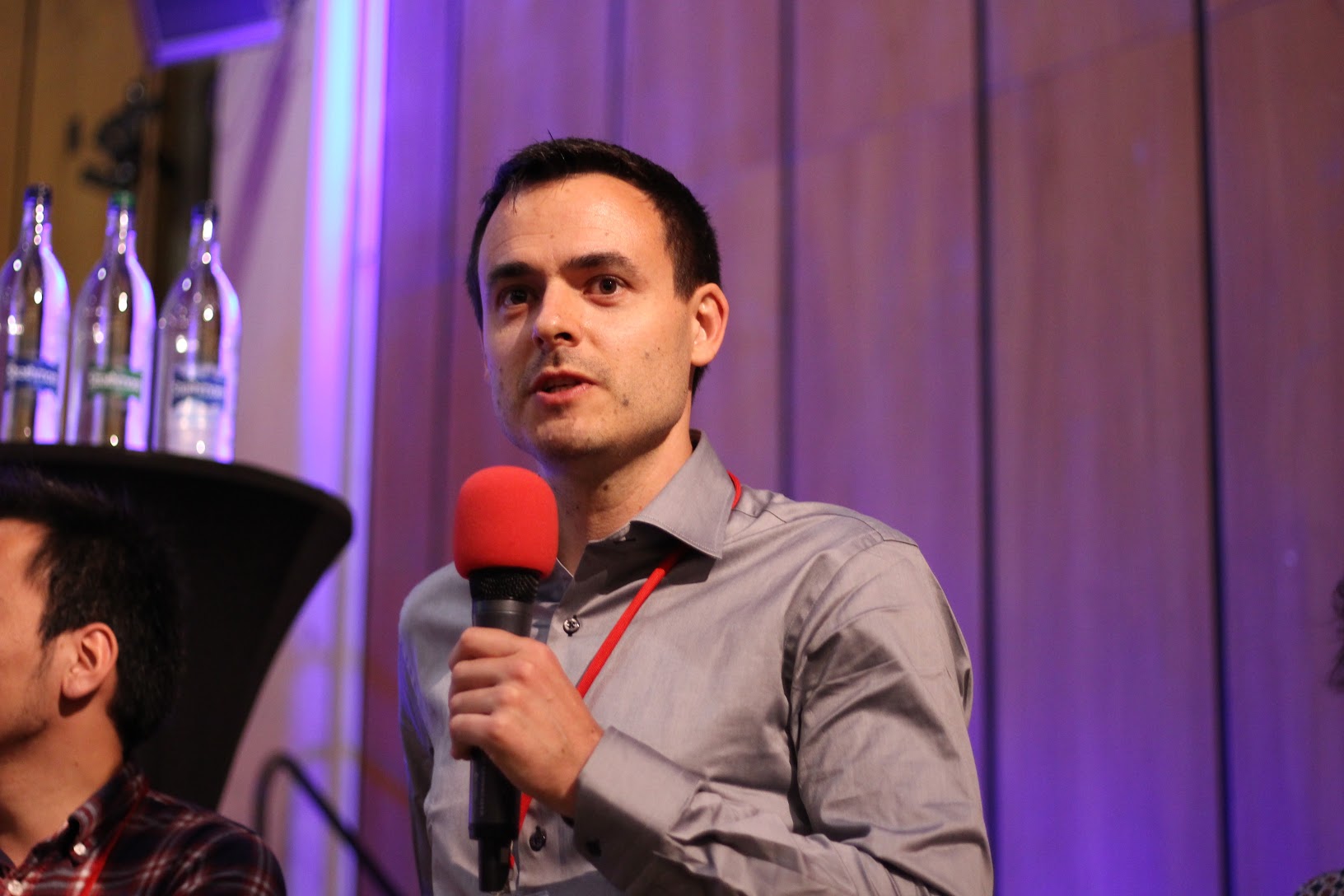
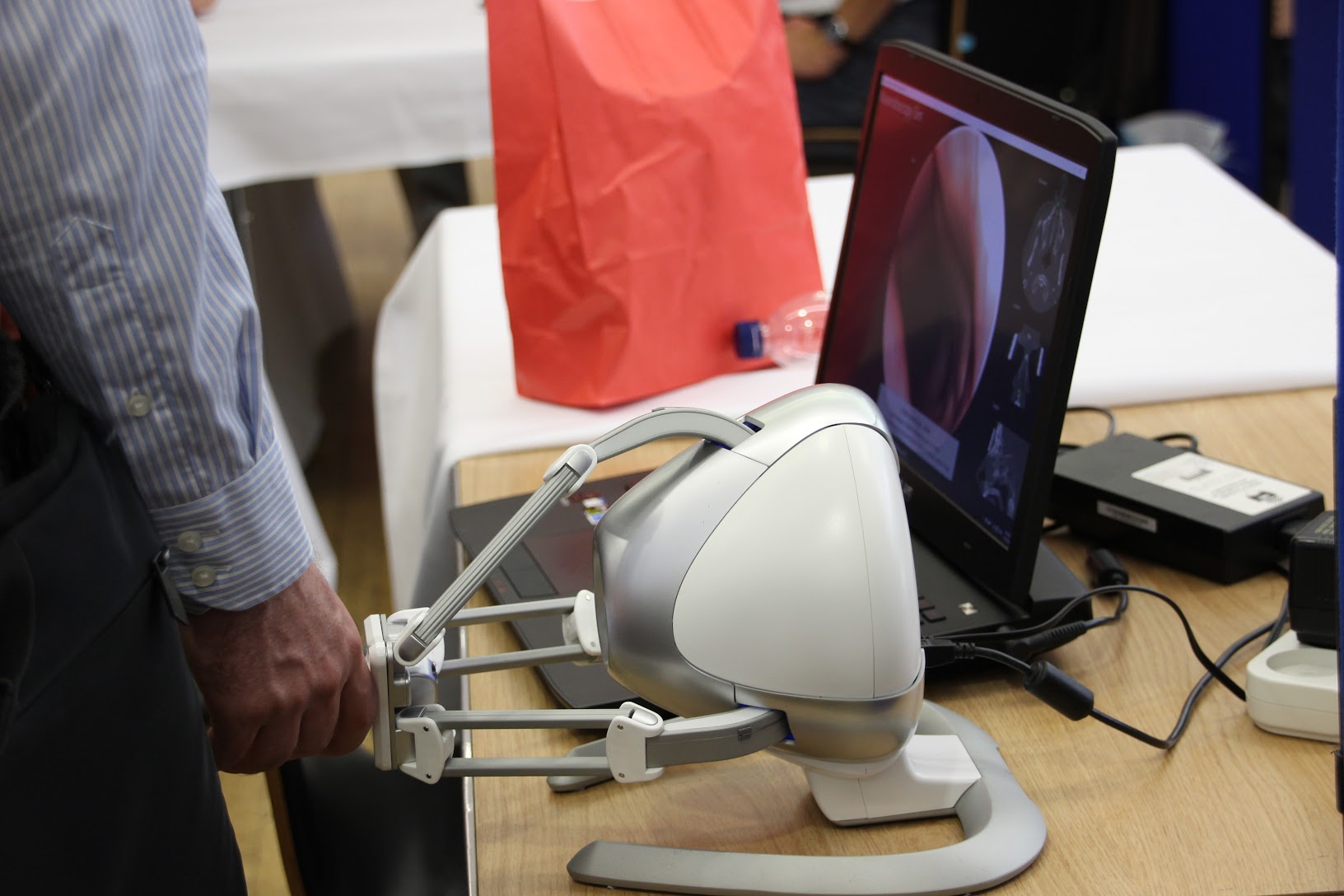
At Eurohaptics in London, 2016, I gave a workshop session called 10 Years in Haptics: Nasendoscopy, Surgical Tissue, and Gravity Games. It was a survey of the work I had done in haptic simulation, and a chance to put a device in front of people rather than a slide.
The Gravity Game
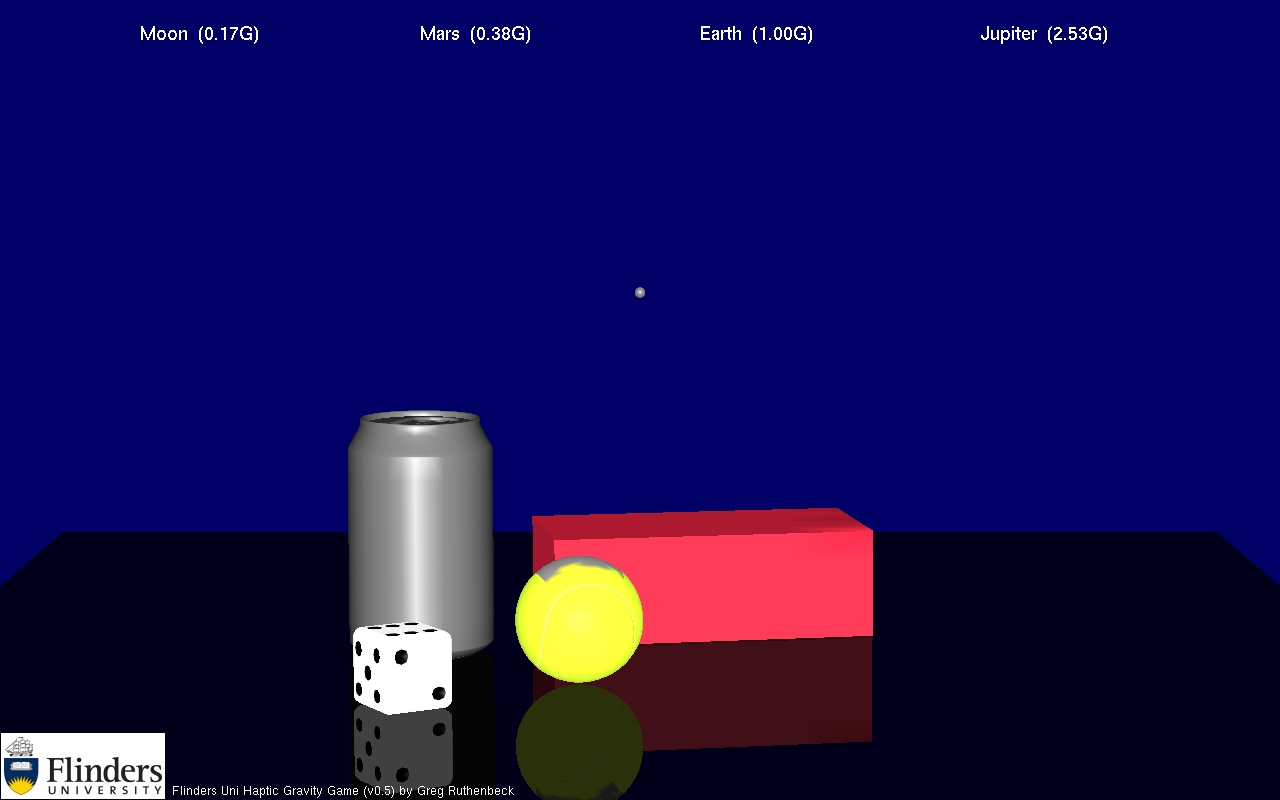
The Haptic Gravity Game was built with Dr Brett Wilkinson at Flinders University. You lift familiar objects in simulations of gravity on Earth, Mars, Jupiter and the Moon, with precise force feedback, and the point is that weight and mass stop being the same thing. On the Moon a hammer is easy to lift and hard to stop; on Jupiter it is heavy and hard to start. Force feedback is the only way to teach that distinction through your hands.
Cutting virtual tissue
The video I showed is a cut-able tissue simulation technique I developed in C++ with CUDA for GPU-accelerated physics, DirectX and HLSL shaders. It is demonstrated as a sinus surgery simulation, but the method applies to any part of the body. At the time there were very few technologies that could do anything like it, including the game engines.
The video is on YouTube. It is linked rather than embedded here; the thesis page embeds its demonstration videos, and this page does not.